9+ curated guides • Updated June 2025
You probably think a hair band is just for holding back flyaways or adding a pop of color. But what if this simple accessory was secretly your most powerful tool for personal branding? We're cracking the 'headband code,' exploring how influential women use this modern-day crown to project authority, creativity, and unmistakable confidence. Forget fleeting trends; this is about strategic adornment, a non-verbal cue that speaks volumes before you even say a word. We're moving beyond the preppy stereotype to reveal the headband as the ultimate piece of sartorial armor for the modern woman.
We tune into Celebrity MasterChef India to see our favorite stars fumble with spatulas and stress over plating. But what if the real competition isn't for the trophy, but for a complete career reinvention? This isn't just a cooking show; it's the most effective public relations stage in Indian entertainment today. The meticulously crafted personas we see on screen are often the result of years of media training and careful image curation. The MasterChef kitchen, however, offers a raw, unfiltered environment where that polish is stripped away, replaced by the universal language of food, frustration, and triumph. For a celebrity brand, this is both a high-risk gamble and a golden opportunity to connect with an audience on a level a blockbuster film or a magazine cover simply cannot reach.
What does a kitchen knife have in common with a statement necklace? For most, nothing. For entrepreneur Chinu Kala, it's everything. This isn't just another rags-to-riches story; it's a strategic breakdown of how the resilience, rejection, and raw psychology learned from selling a 'need' provided the perfect, unseen foundation for selling a 'want' to millions. Before she built Rubans Accessories into a multi-crore fashion jewellery empire, Kala was on the front lines of commerce in its most elemental form: convincing strangers to buy a utilitarian tool. We will deconstruct the counterintuitive genius of this journey, revealing how mastering the brutal logic of a simple transaction is the ultimate prerequisite for selling a complex emotion.
In an era where our hands are perpetually glued to screens, endlessly scrolling and tapping, a classic accessory has returned with a quiet statement. The long sleeve glove, once a symbol of formal elegance, is re-emerging as the ultimate anti-tech accessory. This isn't just about looking chic; it's about choosing to be elegantly unavailable. It's a sartorial declaration that your attention is a precious commodity, not to be given away to the nearest glowing rectangle. By sheathing the very instruments of our digital addiction—our hands—we are performing a subtle but powerful act of reclaiming our presence in the physical world.
We think of the Hollywood A-list as a glamorous club decided by talent and box office gold. But what if it's less of a club and more of a cold, calculated algorithm? Forget the red carpets; we're pulling back the curtain on the data points, PR strategies, and market forces that truly decide who gets in—and who gets kicked out. This isn't about artistic merit; it's about quantifiable influence, risk mitigation, and return on investment. The modern A-lister is less a discovered prodigy and more a carefully assembled asset, optimized to perform not just on screen, but on a balance sheet.
Before Coco Chanel, fine jewelry was a public ledger of a husband's wealth. Her radical decision to champion bold, beautiful 'fakes' wasn't just about aesthetics; it was a calculated revolt. This is the story of how costume jewelry became the great equalizer, dismantling old-world notions of value one glass pearl at a time. It was a masterstroke of cultural subversion, turning adornment from a passive display of inherited status into an active declaration of personal style and independence. Chanel didn't just sell jewelry; she sold a new kind of freedom.
Remember 2022? It was the year we tentatively stepped back into the world, blinking in the sunlight. The purses we chose to carry were more than just accessories; they were our new social armor. From the wildly impractical micro-bag to the ultra-cushioned pillow purse, each trend was a direct response to a world grappling with newfound freedom and lingering uncertainty. These weren't mere fleeting styles dictated from a runway; they were artifacts of our shared experience, tangible symbols of our internal landscape broadcast for the world to see. By deconstructing the key handbag silhouettes of that pivotal year, we can read the story of our collective psyche—our anxieties, our defiant optimism, and our deep-seated need for comfort.
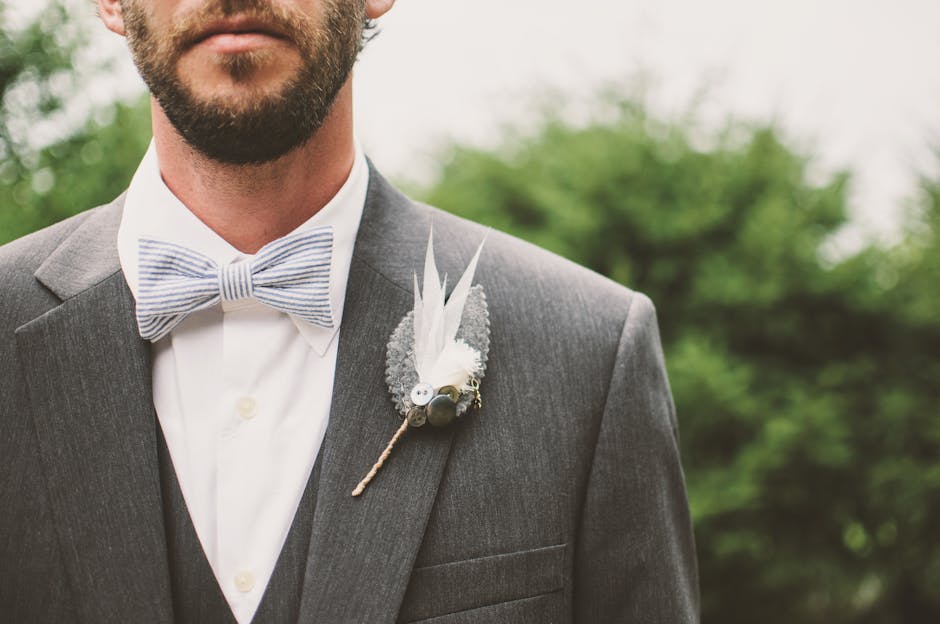
Pinning a brooch to your coat lapel is a classic choice. It's also the most predictable one. We're moving beyond the obvious to treat your outerwear like a canvas, applying the principles of visual design and composition to transform your entire look with a single, perfectly placed pin. Forget seeing a brooch as a mere accessory; it is a punctuation mark, a focal point, and the architectural detail that provides structure to your sartorial statement. This guide will deconstruct the art of placement, transforming your approach from a simple act of decoration into a deliberate, impactful design choice.
That breathtaking marriage jewellery set is the centerpiece of your bridal look, a treasure you've dreamed of. But what happens after the ceremonies end and it's relegated to a velvet-lined box? We're challenging the 'one-day wonder' myth by revealing how to select a stunning bridal set designed not just for the aisle, but for anniversaries, milestones, and every beautiful moment thereafter. The truly discerning bride understands that her wedding jewellery is not a costume for a single performance, but the foundational chapter of a lifelong collection. It’s about commissioning pieces with inherent intelligence and versatility, ensuring the story of your union is woven into the fabric of your future style.